
City Overview
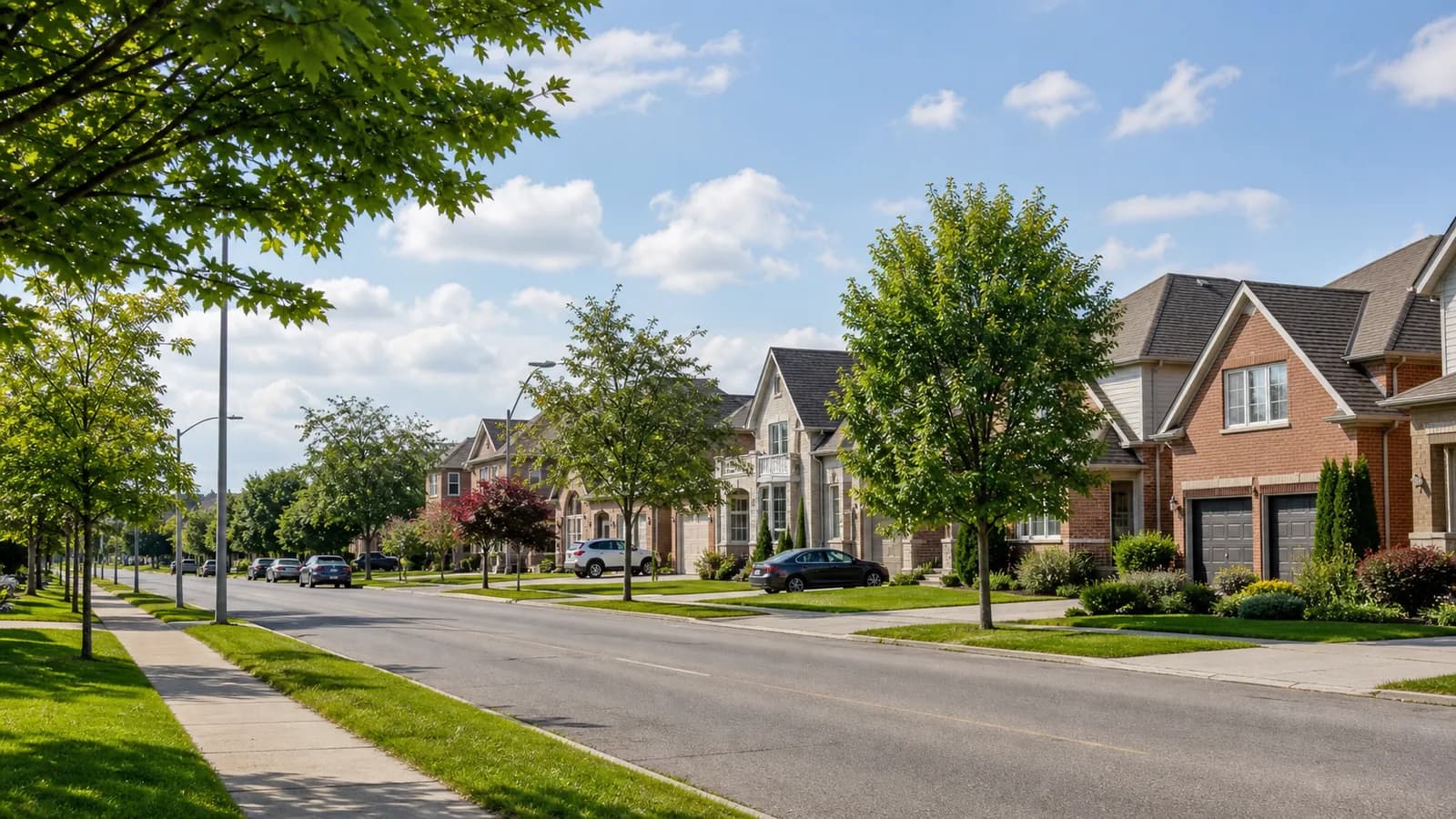
Brampton is one of the largest and fastest-growing cities in Ontario, with a wide mix of established neighbourhoods, newer subdivisions, transit-linked districts, and family-oriented communities. For buyers, that means more choice across price points and housing styles. For sellers, it means your strategy should reflect the specific pocket, product type, and buyer profile most active in your area.
This city guide is designed as a reusable foundation for future expansion into other service areas. The page structure, content fields, and internal links are set up so new city guides can be added without custom page code.
Who Should Buy Here
Brampton can fit several buyer profiles:
- First-time buyers looking for more space than they may find in central Toronto or Mississauga
- Families who want detached homes, parks, schools, and community amenities
- Commuters who need access to GO Transit, Highway 410, Highway 407, or Highway 401
- Move-up buyers comparing newer and more established neighbourhoods
Buyers should compare home type, lot size, commute route, and school preferences before narrowing to a community.
Who Should Sell Here
Sellers in Brampton benefit when their positioning is specific. A detached family home in Credit Valley, a transit-oriented property near Mount Pleasant GO, and an established home in Bramalea may attract different buyer segments and require different pricing and marketing angles.
Before listing, it helps to review:
- Competing inventory in your immediate area
- Recent comparable sales by home style
- Seasonal timing
- Cosmetic updates that matter most for your buyer pool
Best Communities
This guide covers 35 Brampton communities and districts, from established west-end neighbourhoods like Credit Valley and Bram West to newer growth areas in Northwest Brampton and Gore Meadows, plus broader directional districts like Brampton North, South, East, and West for buyers still narrowing down a target area. Use the community list below to jump directly to a neighbourhood guide, or start with the city-wide overview if you're still comparing areas.
Additional communities can be added later through content files using the same architecture.
Home Styles
Brampton offers a mix of detached homes, semi-detached homes, townhouses, and condos. Newer parts of the city often feature larger detached homes and newer townhome stock, while older neighbourhoods may offer wider lots, mature trees, and different floor plan styles.
Exact inventory changes over time, so this guide avoids unsupported claims about current pricing or availability. Each community page includes draft price bands that should be reviewed against up-to-date market data.
Schools And Commute Overview
Families usually evaluate Brampton communities based on both school access and commute practicality. School boundaries can change, and transit convenience varies a lot from one part of the city to another.
Use these guides as a planning tool, not as a final authority. School boundaries should always be confirmed directly with the relevant board, and commute assumptions should be tested against your actual schedule.
Market Trend Summary
Brampton market conditions shift by neighbourhood and home type. Entry-level products can behave differently from move-up detached homes, and one community may tighten while another has more negotiating room.
For now, this site uses draft educational content and clearly marked placeholders instead of hard-coded sold data. That keeps the site compliant and ready for future verified updates.
Community Links
The community guides below are the best next step if you want hyperlocal detail on homes, amenities, lifestyle, commute, and buyer or seller considerations.
Contact Pramod
If you want help narrowing down the right Brampton area to buy in, or you want a pricing review before selling, contact Pramod Kumar for a current local conversation based on your timeline and goals.